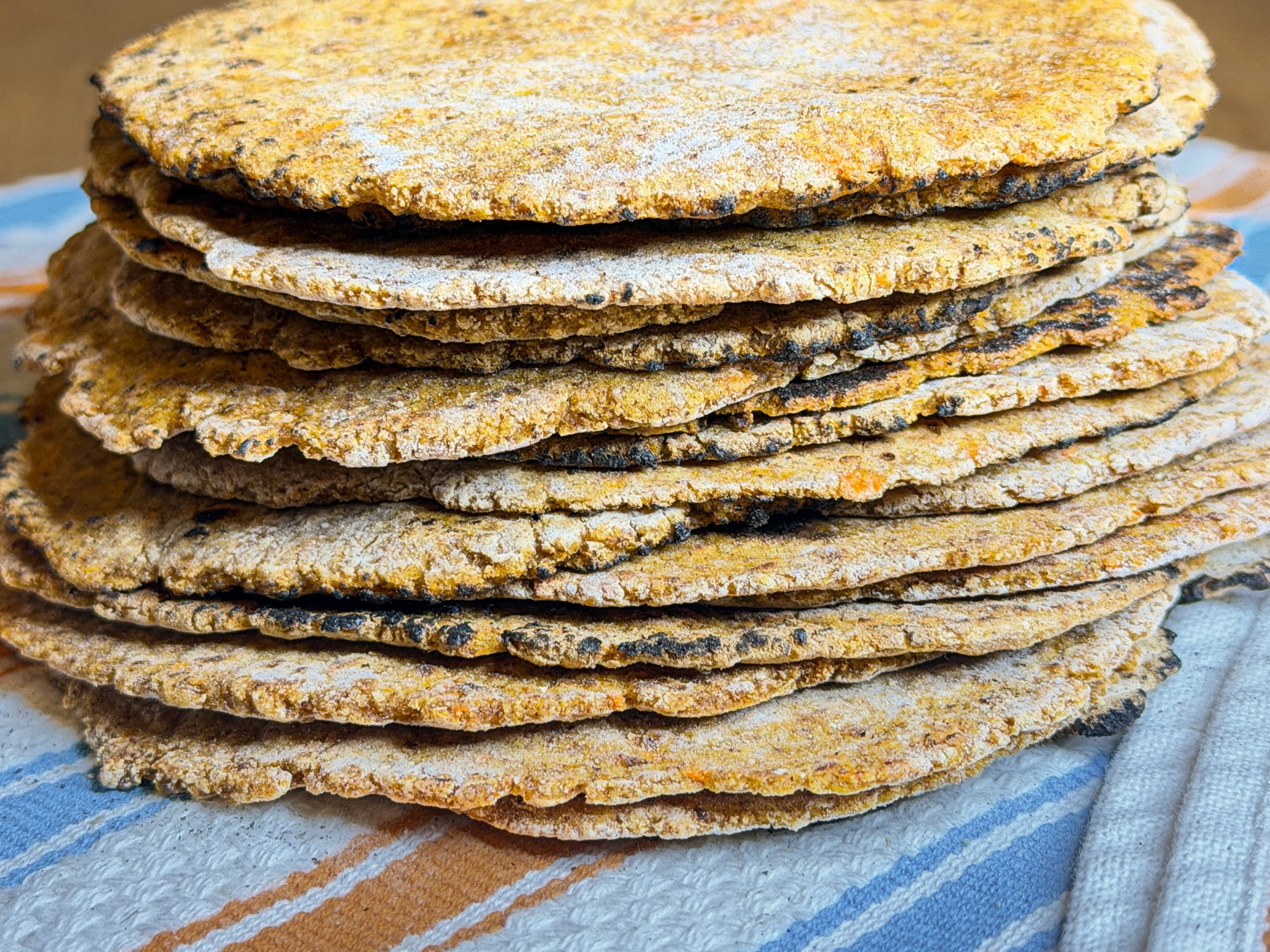
Sweet potato flatbreads are a beautiful example of how plant-based eating can feel abundant, comforting, and deeply satisfying. A plate built around whole plants nourishes you with fiber, antioxidants, and slow-burning energy, instead of leaving you heavy or sluggish.
Sweet potatoes, in particular, are a powerhouse: they’re rich in beta-carotene (which your body converts to vitamin A), packed with vitamin C and potassium, and their natural sugars gives you a special flavor. They support immune function, eye health, and digestion while helping manage blood sugar and reducing inflammation. They are low-fat, low-calorie, and support heart
When you fold those benefits into a warm, tender gluten free flatbread, you get a recipe that’s as good for your body as it is for your soul—perfect for wrapping roasted vegetables, dipping into curries, or simply enjoying warm with a smear of your favorite spread.
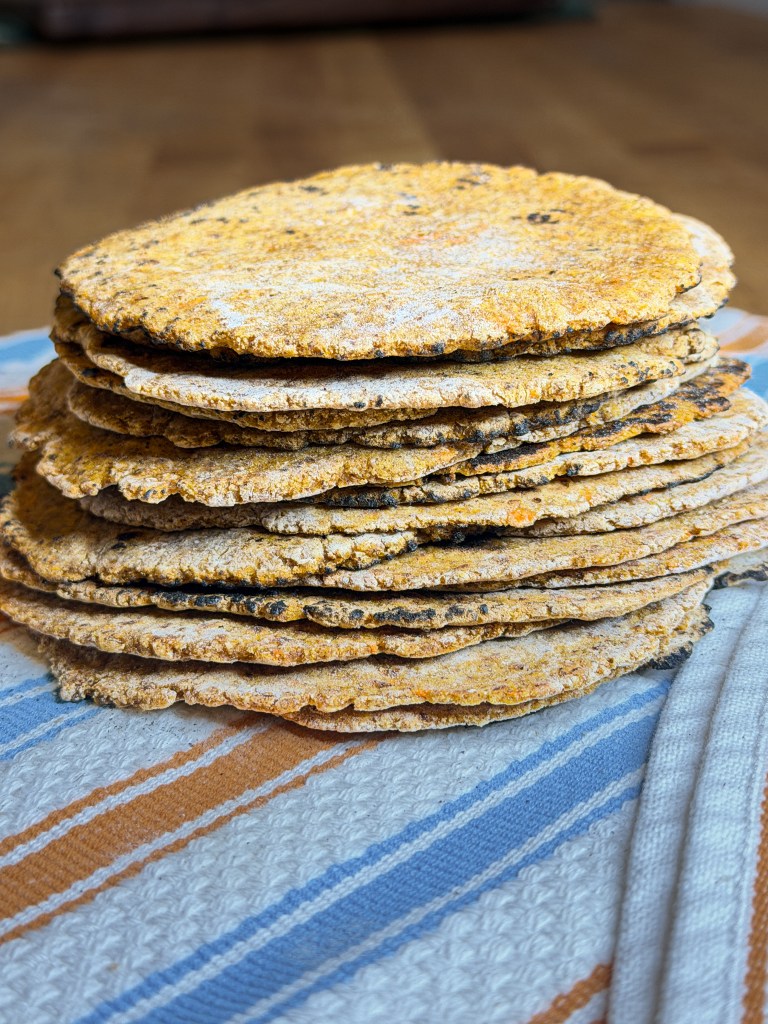
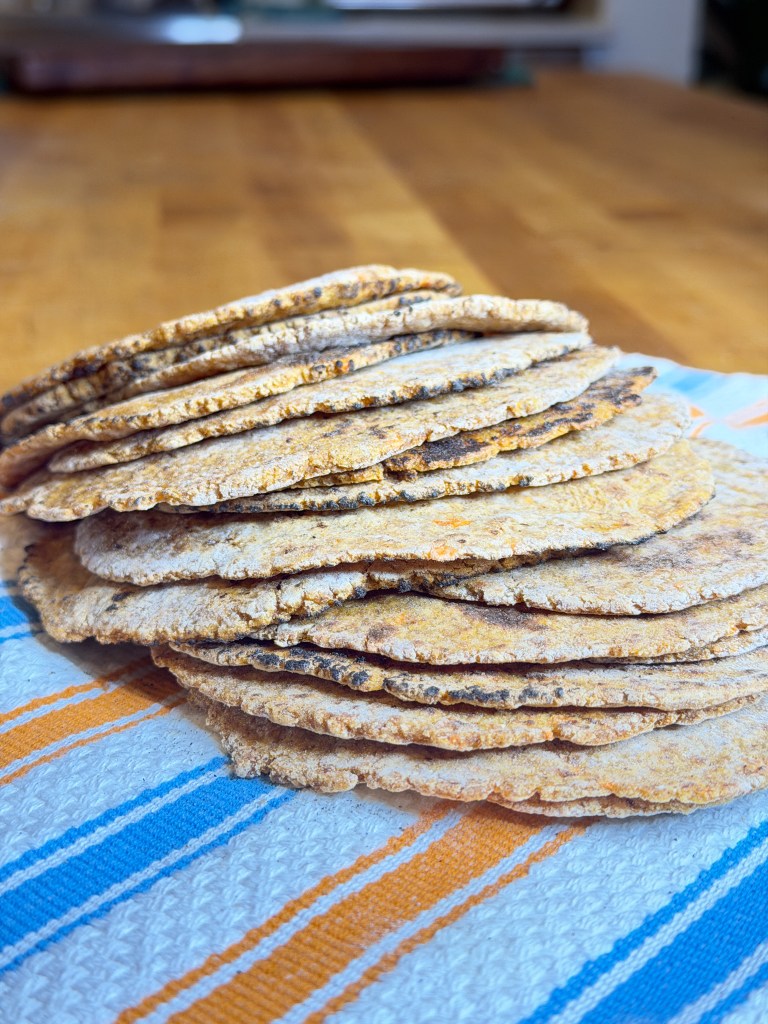
Since the bread is gluten free, it does take a little practice to roll of the rotis but once you have the hang of it you will love it. I used a tortilla press and batch made a big lot, they stay well in the fridge or freezer.
You can use any GF flour but one with a little bit of Xanthan gum will give it more tightness and elasticity. I have put my simple GF flour recipe but feel free to use store bought.
Sweet Potato Gluten Free Flatbread
Ingredients (makes 8–10 small flatbreads)
- 1 cup mashed cooked sweet potato (tightly packed, from about 1 medium sweet potato)
- 1 ½ cups gluten free flour blend (one that contains xanthan gum, or see note)
- 1 teaspoon fine sea salt
- 2–4 tablespoons warm water, as needed
Optional flavor boosters
- ½ teaspoon ground cumin
- ½ teaspoon garlic powder or granulated garlic
- 2 tablespoons finely chopped cilantro or parsley
My GF Flour recipe
- 1 cup rice flour ( brown or while)
- 1/4 tapioca starch
- 1/4 cup millet flour
- 1 tsp Xanthan gum powder
Prepare the sweet potato
- Boil or bake a whole Sweet Potato until fork tender. I used an air fryer at 380 F for 35 minutes.
- Mash until smooth and let cool slightly.
Make the dough
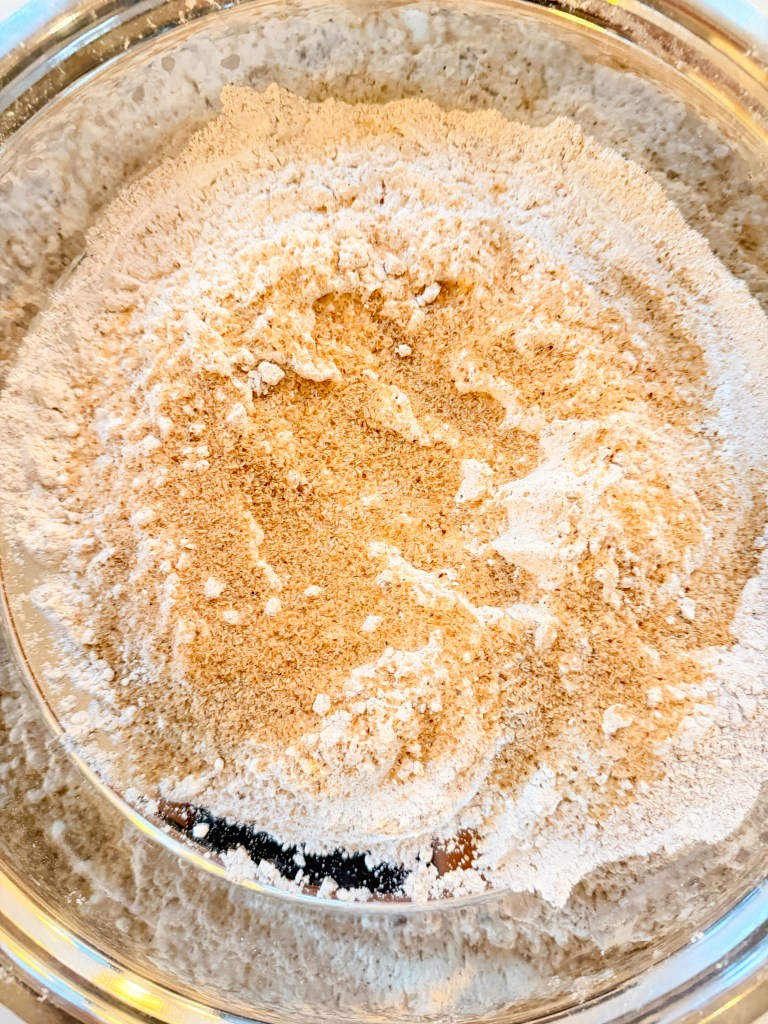
- In a large bowl, whisk together the gluten free flour, salt, and any optional spices or herbs.
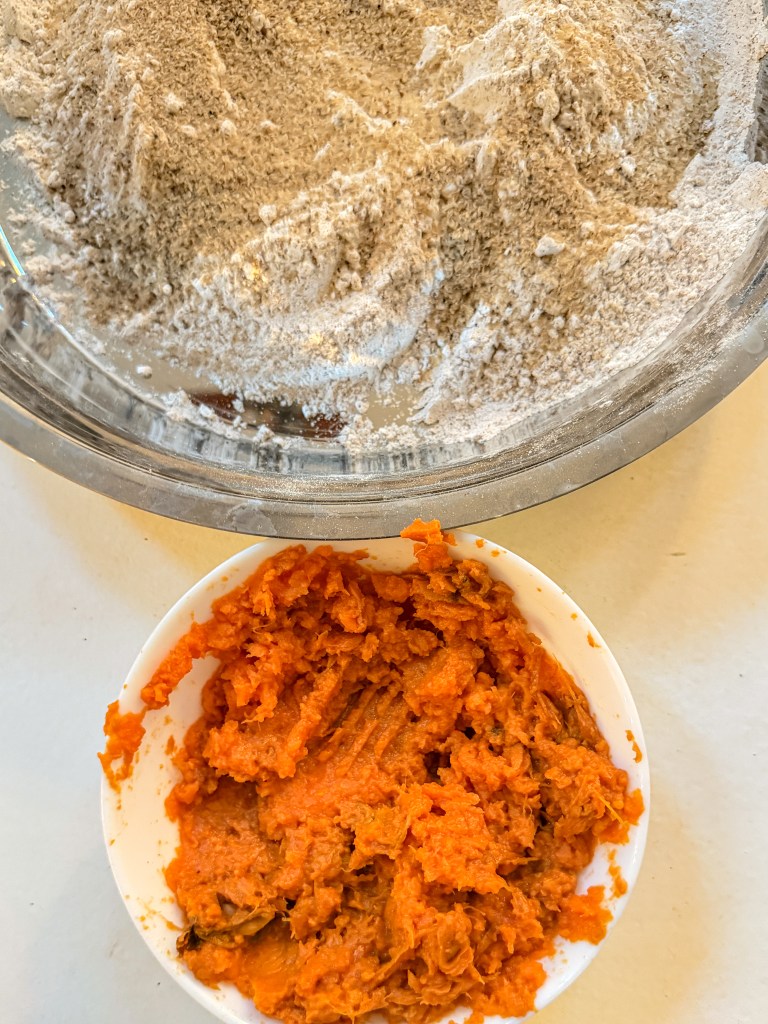
- Add the mashed sweet potato to the dry ingredients.
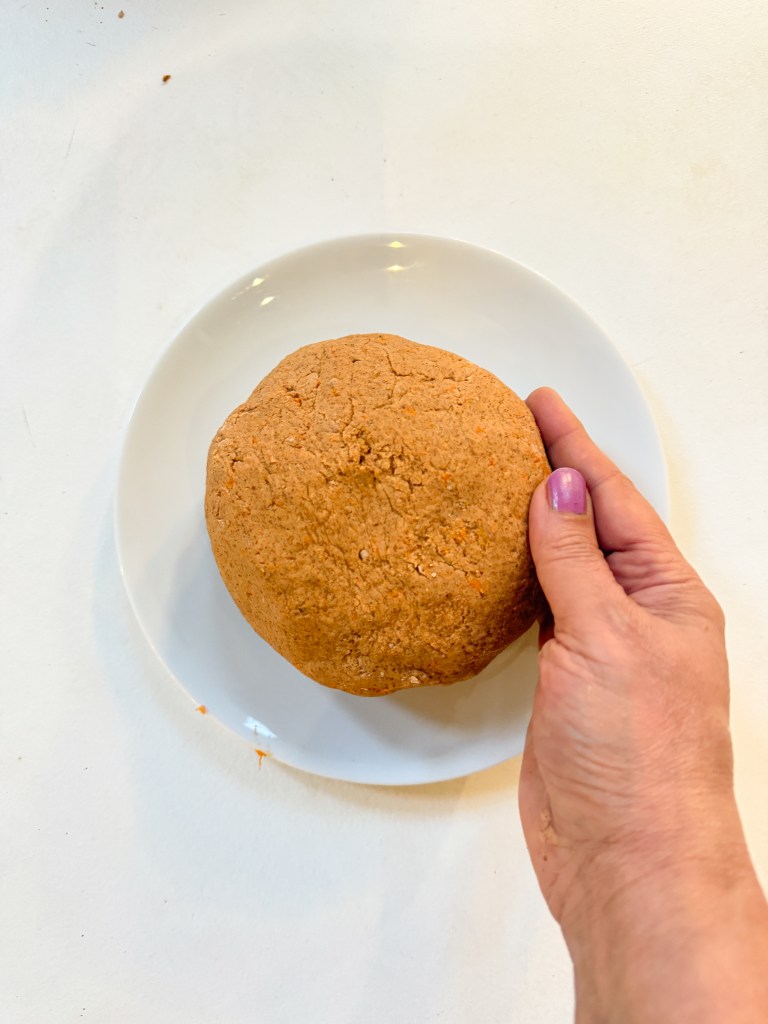
- Use a spoon or your hands to bring the dough together. Add warm water 1 tablespoon at a time until you get a soft, smooth dough that holds together but is not sticky.
- Knead gently in the bowl or on a lightly floured surface for 1–2 minutes, just until the dough feels cohesive.
- Cover the dough with a kitchen towel and let it rest for 10–15 minutes. This helps the starches hydrate and makes the dough easier to roll.
Shape the flatbreads
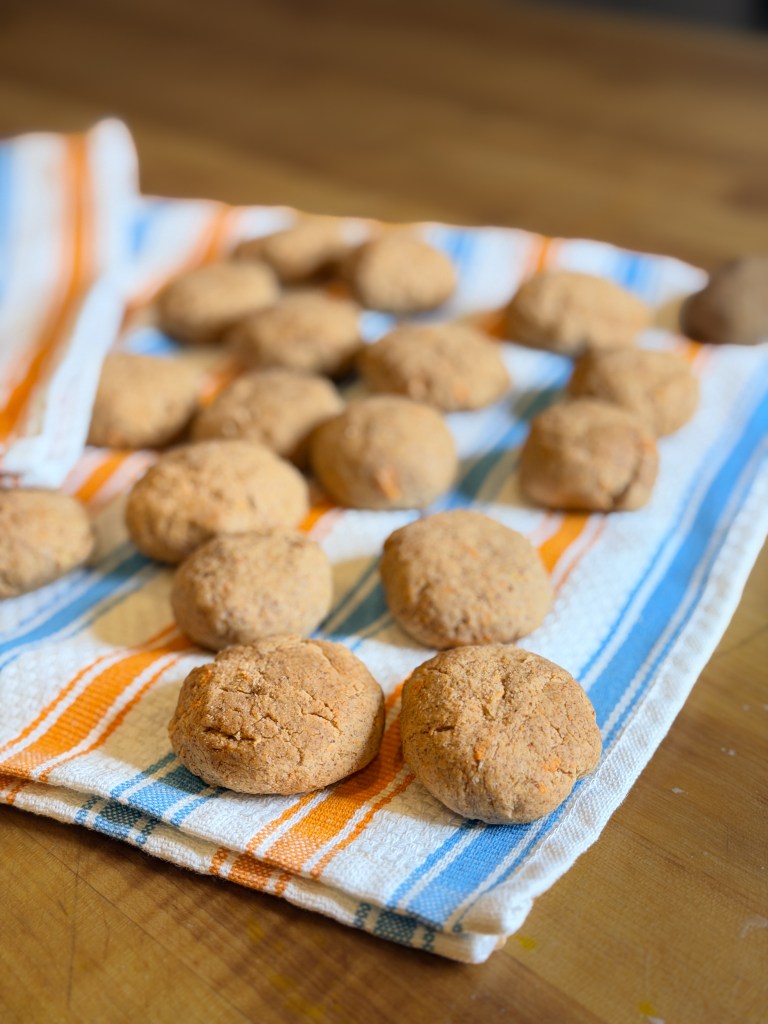
- Divide the dough into 8–10 equal pieces and roll each piece into a ball.
- Lightly dust a sheet of parchment or your work surface with gluten free flour.
- Working with one ball at a time, flatten it gently with your palm, then roll it out into a small circle or oval about ⅛–¼ inch thick. I used a tortilla press to make life easier.Just put the flattened ball between parchment papers and press with the tortilla maker.
- If the edges crack, simply press them back together with your fingers; gluten free dough is a bit more delicate, but very forgiving.
Cook the flatbreads
- Heat a cast-iron or heavy nonstick skillet over medium heat. Brush a thin layer of olive oil in the pan if needed.
- Place one flatbread in the hot skillet. Cook for 1–2 minutes, until bubbles form and the underside has light golden spots.
- Flip and cook another 1–2 minutes. Press gently with a spatula to help it puff and cook evenly.
- If you like a bit more char, increase the heat slightly at the end and cook for an extra 20–30 seconds per side.
- Transfer to a plate and cover with a clean towel to keep warm and soft while you cook the remaining flatbreads, adding a little more oil to the pan as needed.
Serving ideas
- Serve warm with hummus, baba ghanoush, or your favorite plant-based dip.
- Enjoy alongside a lentil or chickpea curry, using the flatbread to scoop up the sauce.
- User as a wrap with your favorite fillings.
Notes
- If your gluten free flour blend does not contain xanthan gum, add ½ teaspoon xanthan gum to the dry ingredients for better elasticity.
- Leftovers keep well in an airtight container in the fridge for 2–3 days; reheat in a warm skillet or dry pan to soften.

 Food For The Soul