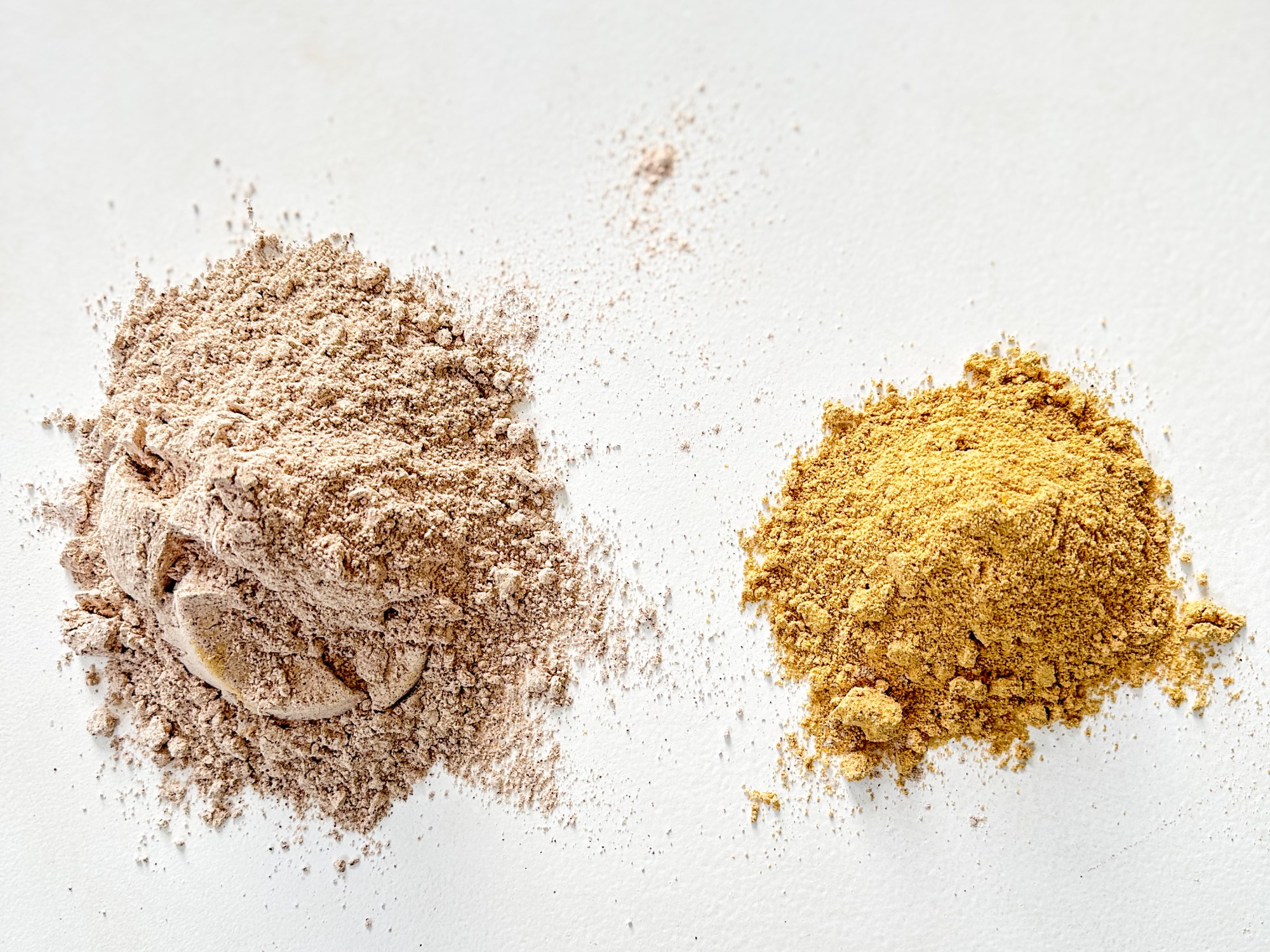
Every season whispers its own nourishment. Winter, in particular, invites slowness — a gentle reminder to warm from within, slow down and savor the act of cooking as much as the food itself. Here at Food for the Soul, I believe every meal can be a quiet ritual: a way to mend the body, steady the mind, and return to what feels real.
This Ragi & Sattu Stuffed Flatbread is one of those recipes that embody that spirit. It draws from ancient traditions — where millets grounded the body, spices awakened the senses, and every grain told a story of the soil it came from.
There’s wisdom in this humble flatbread — an earthy sweetness from ragi, the nutty taste of sattu, and the comfort of familiar flavors that taste like home. Each step of making it — kneading, rolling, toasting — becomes a form of mindfulness, a moment to pause and breathe.
The Story of the Ingredients
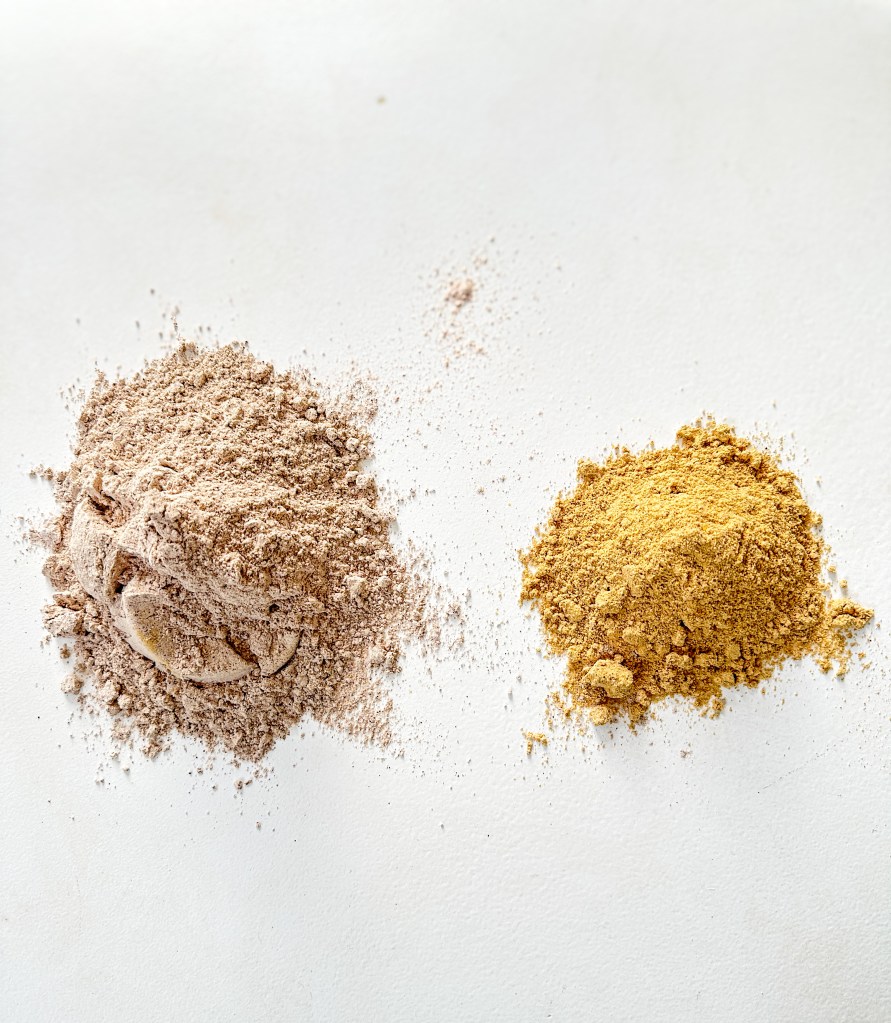
Ragi, or finger millet, is an old friend of the soil — drought-resilient, deeply nutritive, and quietly powerful without using up too much of the lands resources. It carries in it the strength of the earth, offering calcium, iron, and fiber in generous measure. Each bite feels grounding, like a reminder to slow down and reconnect.
Sattu has many variations all over India. In Kashmir, Sattu is commonly referred to as Tsout (or Tsut).
It is a traditional flour made from roasted grains or legumes. It is nutritious and protein-rich. People often consume it during winter mornings with Noon Chai (pink tea).
- Key Varieties and Names of Sattu in Kashmir:
- Makkai Tsout (Maakkai Sattu): This is maize-based sattu, made from roasted, ground corn.
- Tomul Tsout (Tomul Sattu): This refers to rice-based sattu, made from roasted rice.
- Other Types: Chana other grains can also be used to make variations of tsout.
The Sattu I have used was homemade in Kashmir and is a mix of corn, rice, and chana. The wonderful hands that roasted, ground and packaged it for my endless flight are blessed and acknowledged in this post. High in protein, and full of vitality, it adds a toasty, nutty flavor that pairs beautifully with ragi’s earthiness.
And then there’s flax meal, a modern touch to an ancient recipe — whispering of omega-3s, heart health and digestive ease — and sooji, just a small handshake of texture, helping the dough hold its shape and spirit.
Together, these ingredients create not just a meal, but nourishment in every sense — grounding, balanced, and full of traditional wisdom.
Ragi & Sattu Stuffed Flatbread — A Taste of Earth and Soul<br />
<br /> There’s wisdom in this humble flatbread — an earthy sweetness from ragi, the nutty taste of sattu, and the comfort of familiar flavors that taste like home
Ingredients
- 1 cup ragi (finger millet) flour
- 3 tablespoons flax meal
- 1 tablespoon Sooji (semolina)
- Salt to taste
- Warm water to knead ( about 1 1/4cup)
- ½ cup sattu
- 1 small onion, very finely chopped
- 2 tablespoons finely chopped cilantro (coriander leaves)
- 1–2 green chilies, finely chopped (adjust to taste)
- Salt and a pinch of amchur (dry mango powder) or lemon juice
- 1/4 tsp ajwain crushed in the palm of your hands
- Warm water to bring the dough together – a couple of tbsp
- A drizzle of mustard oil to bring it all together (optional)
For the outer Ragi dough:
For the Sattu stuffing:
Directions
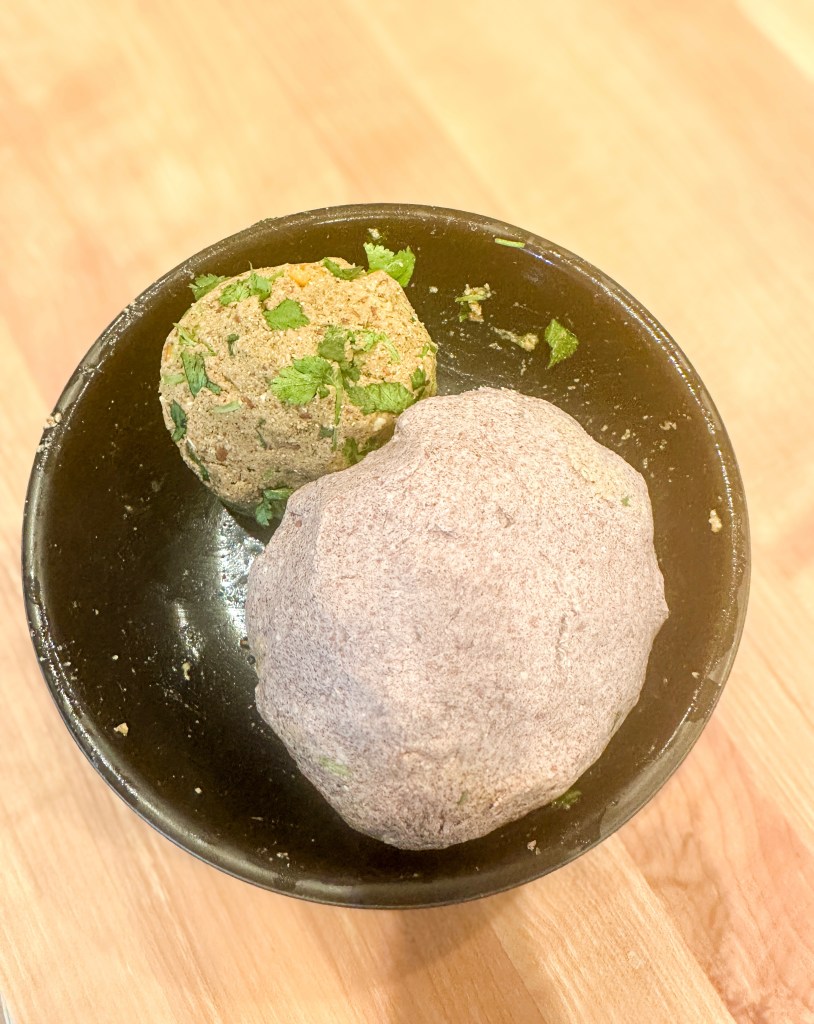
1. Prepare the outer dough: In a bowl, mix the ragi flour, flaxmeal, sooji, and salt. Slowly add warm water, kneading until a soft yet firm dough forms. Adjust the water as needed. Kneading with the palm of your hands is a good technique Cover and rest it for 10–15 minutes.
2. Make the stuffing: In another bowl, combine sattu, onion, cilantro, chilies, salt, and amchur. Add a few drops of mustard oil to moisten the mix and a few tablespoons of water to make a dough like consistency
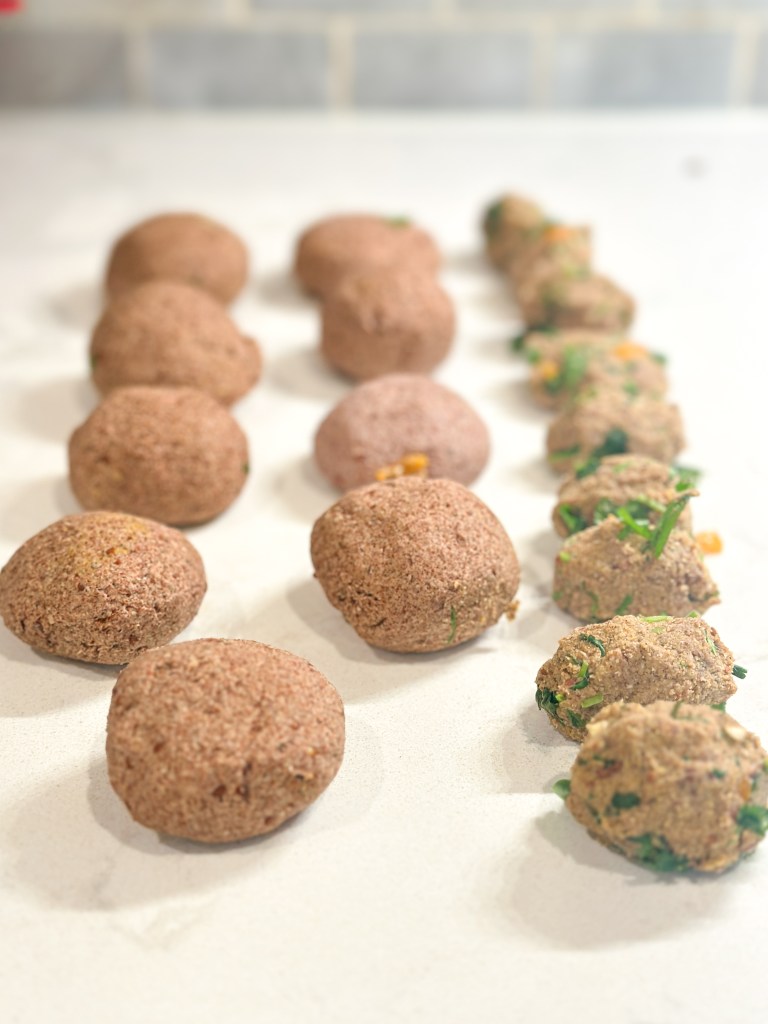
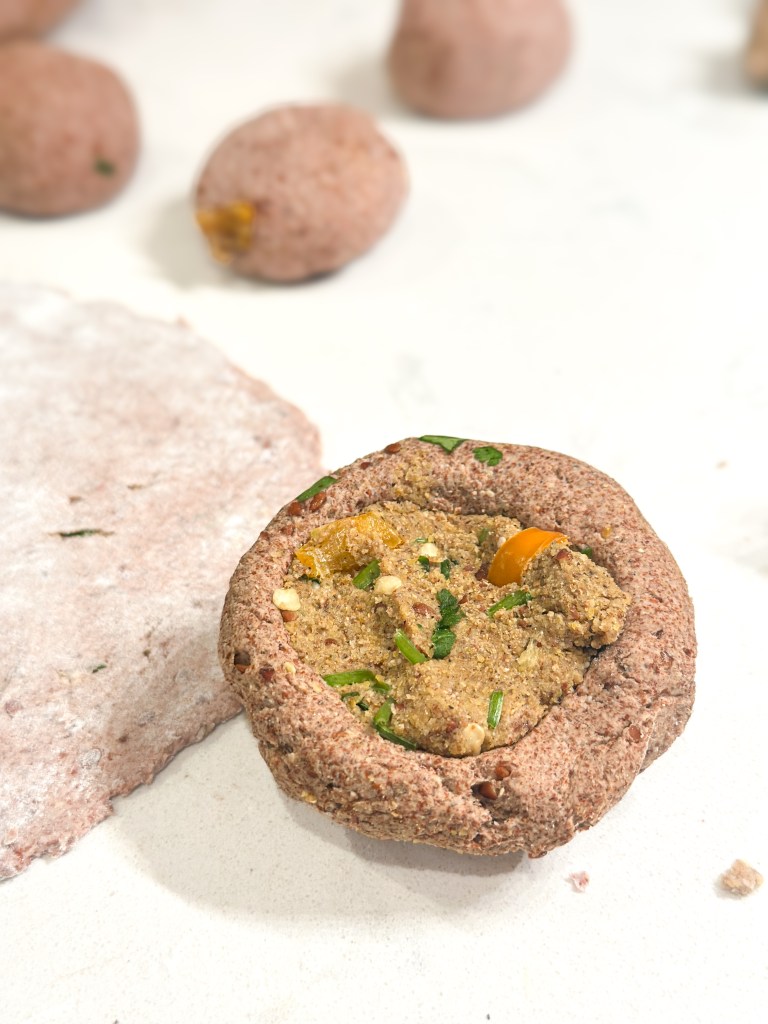
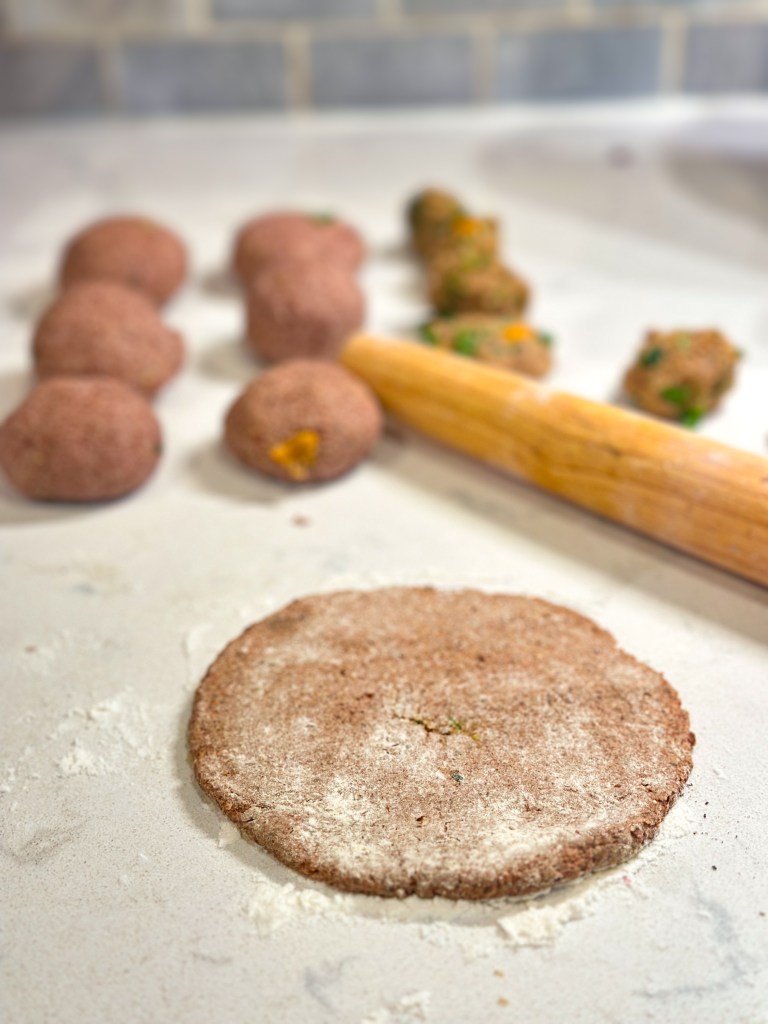
3. Assemble the flatbreads: Divide the ragi dough into small balls and the sattu into smaller balls. Create a space gently in the ragi dough with your fingers, place stuffing in the center, and fold the edges in to seal. Dust lightly with flour and roll again into a medium-thick disc.
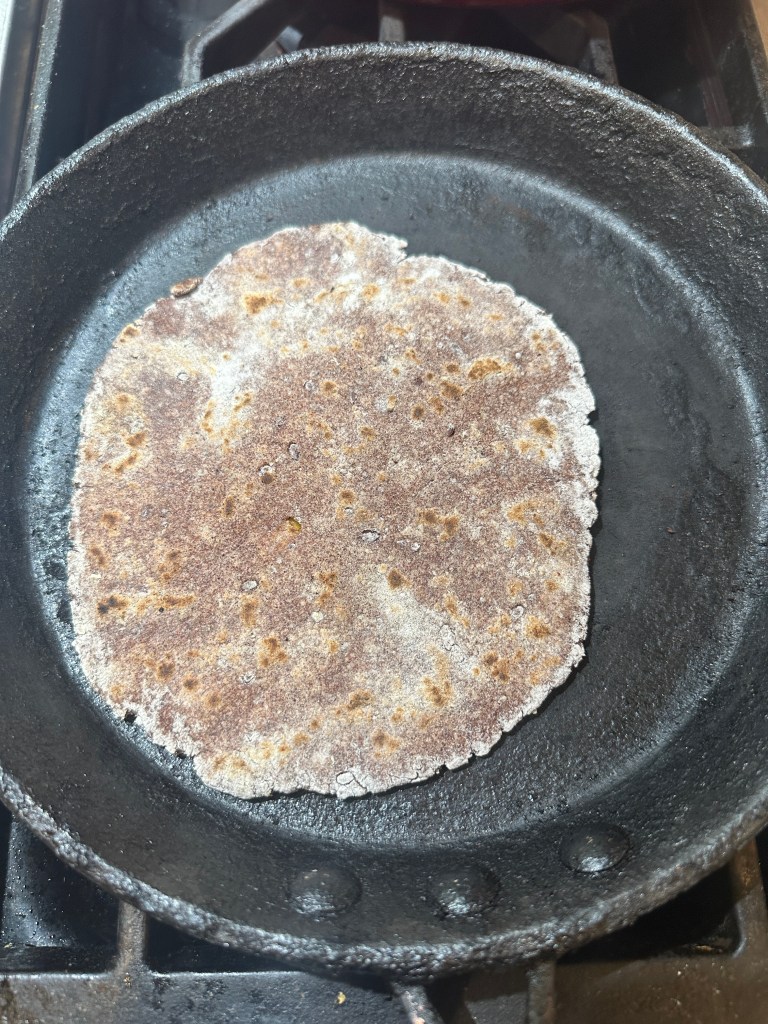
4. Toast to perfection: Heat a cast-iron pan over medium flame. Place the stuffed flatbread on the hot surface and cook until both sides are golden brown, brushing lightly with oil if needed. You can also puff up the dough over a flame.
5. Serve warm: Enjoy with a side of homemade yogurt and pickle or just as is. These flatbreads taste incredible fresh off the pan but also make a fulfilling on-the-go meal.
This flatbread isn’t just a recipe — it’s a kind of meditation. Each step invites slowness and gratitude, a reminder that food can be both nourishment and joy. In a world rushing toward convenience, these humble ingredients— bring us back to nature, to balance, to home.
So, the next time the morning feels quiet and still, let this recipe find you. Let your hands knead calm into the dough, and your heart find steadiness in its warmth.

 Food For The Soul